Payments on a UK-licensed site are built around two goals: keeping player funds safe and meeting legal duties set by the regulator. The process covers the method you use to deposit, the checks that confirm your identity, and the way withdrawals are released. Some steps are visible, like document requests. Others sit in the background, such as risk rules that look for unusual patterns. The point is not to slow you down; it is to make sure money moves securely and that accounts belong to verified adults.
In practice, this means debit-based funding, clear verification before real-money play, and traceable routes for cashing out. If a payout takes a little longer because a human needs to confirm ownership of a card or wallet, that is part of the protection system rather than an exception.
Accepted payment methods on UK-licensed sites
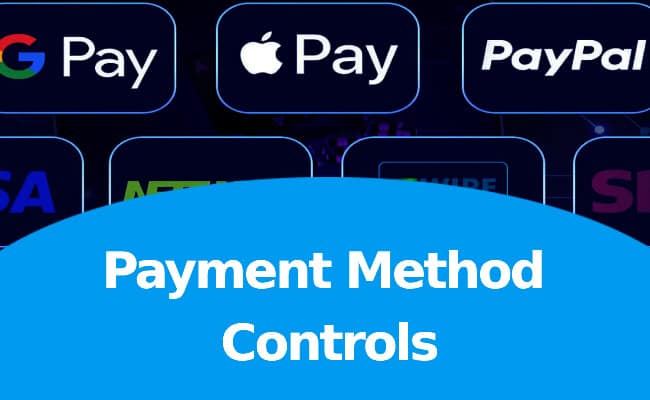
Most players use debit cards from Visa or Mastercard. Credit card gambling is blocked in Great Britain, so the card route is debit only. E-wallets such as PayPal, Neteller, and Skrill are also common. They appeal to anyone who prefers an extra layer between the casino and the bank account, and they can speed up withdrawals once verification is complete. Prepaid solutions like Paysafecard, and, in some cases, Neosurf, help with budgeting because you load a set amount and stick to it. Mobile wallets such as Google Pay may be available too; they sit on top of your debit card and add device-level checks.
Availability can change over time, and limits may differ by method. For the current list and practical details by option, the payment page sets out what’s supported at Betnero UK, including any method-specific steps for deposits or withdrawals.
Working with FCA-authorised, UKGC-compliant providers
A safe payment is more than a padlock icon in the browser. Behind every button there is a payment company, an e-money issuer, a card acquirer, or a wallet operator, that needs permission to offer its services in the UK. Providers with the right authorisations keep customer money in safeguarded accounts and follow strict standards for security and governance. Operators licensed by the Gambling Commission are expected to use providers that meet those standards and to keep clear records of how funds move.
For players of online casinos, the benefit is simple: regulated providers leave an audit trail and accept accountability. If a service promises anonymous transfers for gambling or tries to route activity through credit, that is a warning sign rather than a benefit.
KYC and verification: ID, address, and timing
Before a site can allow real-money play or release a withdrawal, it must confirm who you are. The usual checks are straightforward: a government-issued photo ID to confirm name and age, and a proof of address, such as a recent bank statement or utility bill. In some cases, higher activity, new devices, or patterns that match known risk triggers, source-of-funds documents may be requested. These reviews are normal on reputable sites and help prevent identity theft and underage play.
Clear scans help a lot here. A legible photo, all corners visible, and a document that shows your name and date or address details in full will reduce back-and-forth and keep the process smooth.
Safeguards that protect your account and your card
Licensed operators layer several controls to protect accounts. Multi-factor checks can be required at login or before a withdrawal, and they make it hard for anyone else to access your balance even if they guess a password. Data between your device and the website is encrypted, which shields personal and payment details in transit.
Card numbers are stored with certified processors as secure tokens rather than plain digits, which reduces exposure if a system is compromised elsewhere. On the wallet side, approvals inside PayPal, Neteller, or Skrill add another confirmation that the person requesting the payment is the same person who owns the account.
You might not notice these safeguards day to day. That is by design. They sit in the background and step forward only when the system detects something that needs a closer look.
Monitoring and manual reviews: why a withdrawal may pause
Most of the time, deposits clear quickly and withdrawals move once routine checks pass. Sometimes a payout stops in the queue for a manual review. Common reasons include a new payment method, a name mismatch, or activity that looks unusual compared with your normal pattern. A specialist will confirm that the destination card or wallet belongs to the verified account holder and that recent play does not raise concerns.
This is normal on licensed sites. If you want to understand the process in more detail, timeframes, method rules, and what happens if extra documents are required, you can read the Cashout Policy, which explains the steps from request to release in plain terms here on Betnero.
3 Practical habits for safer payments
A few steady habits make a real difference.
- Use a debit card or a recognised e-wallet in your own name. Keep your account details consistent with your documents, including spelling and middle names.
- Turn on two-factor checks wherever offered, at the casino, inside your wallet, and for your email. Avoid sending a large deposit from a brand-new method and then requesting an immediate payout; that combination almost always triggers a review.
- Set deposit limits that suit your budget and stick to them. The tools for limits, cool-off periods, and other safeguards are described on the Responsible Gaming
These steps look simple, but they prevent many of the delays and disputes that show up in support queues. Clear records, matching names, and a steady pattern keep everything predictable.
Warning signs: how to spot an unsafe route
Not every service advertising itself to UK players is suitable for gambling payments. Be careful if a provider:
- refuses to identify its licensing status or where it holds client funds;
- promotes anonymous transfers for gaming;
- tries to push credit-based routes; or
- has consistent complaints about withheld balances and vanishing support.
A licensed operator will decline risky flows and may ask for extra documents if a new method shows up without a clear link to the verified account. If something feels off, unexpected redirects, names that do not match, requests that do not fit the context, pause and ask support to confirm.
Putting it together: the smoothest route from deposit to withdrawal
The cleanest experience tends to follow the same path. Register with accurate details; verify ID and address early; fund with a debit card or a recognised wallet in your own name; keep methods consistent; and request withdrawals back to the original route wherever possible. If the team asks for a fresh document, provide a clear copy and wait for the green light. The aim on both sides is the same: money out to the verified owner, using a method that belongs to them.
For players who like to read more about site-level rules, fair play standards, checks behind the scenes, and how disputes are handled, the Fair Play section gives extra context on policies that sit alongside payment controls.
Read our article about the Best Casino Payment Methods if you want more info.
FAQs on Payment methods Controls
Are credit cards accepted for gambling?
No. Credit card gambling is blocked in Great Britain. Debit cards are the standard route for card payments.
Which methods are fastest for withdrawals?
Timeframes depend on the checks required and on the method itself. Approved e-wallets can be quicker once verification is complete. Manual reviews may extend the timeline when there’s a name mismatch or a new device. Please read our dedicated article on Fast Withdrawals Casino for more ingo.
Why was I asked for extra documents after a bigger win?
Higher activity and larger payouts can trigger enhanced checks. The aim is to confirm ownership of the destination method and keep accounts safe from misuse.
Can I deposit with a voucher and withdraw back to it?
Prepaid vouchers are usually for deposits only. Withdrawals go to a bank account, a card, or an approved wallet in your name, depending on the site’s rules.
Responsible gambling reminder: Gambling is strictly for players aged 18 and over. Please gamble responsibly. For support and more information, visit BeGambleAware.org.